Preloader Close

IT Asset Disposition (ITAD)
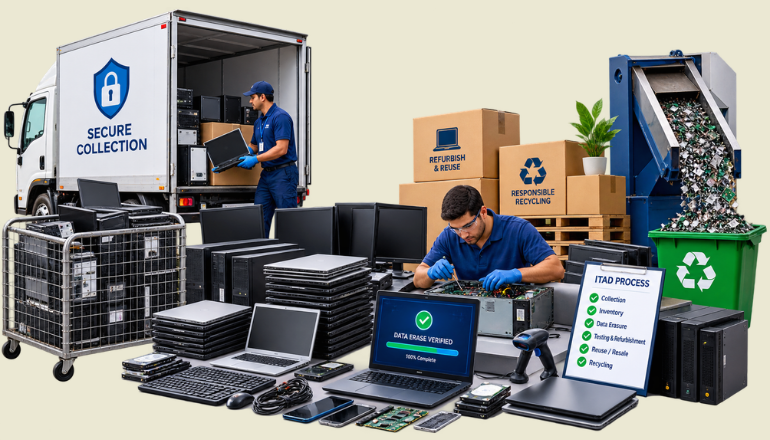
IT asset disposition by Rplanet India helps organizations manage the retirement of computers, servers, networking equipment and other technology assets. R Planet can combine asset assessment, secure data destruction, reverse logistics, recovery and recycling according to the project scope.
IT Asset Refurbishment & Reuse
Reverse logistics
Server and Data-Centre Decommissioning
ITAD Compliance and Documentation
ITAD can help businesses move beyond simple disposal by coordinating the operational steps involved in retiring technology assets. Data security should be addressed before equipment enters reuse or recycling channels.
How IT Asset Disposition Works?
R Planet can assess the asset population, coordinate collection, apply appropriate data-security measures and determine reuse, recovery or recycling routes based on device condition and project requirements.
-
What does IT Asset Disposition (ITAD) cover?
IT Asset Disposition (ITAD) focuses on retired IT assets. R Planet can assess the requirement, plan the appropriate service route and coordinate the relevant activities within the agreed project scope.
-
What happens to retired IT equipment in an ITAD program?
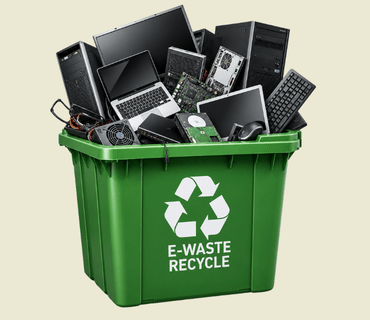
Assets can be assessed and then routed toward reuse, recovery, data destruction or recycling based on condition, data sensitivity and project requirements.
-
What is the first step to start it asset disposition (itad)?
The first step is to share the material or asset type, approximate quantity, location and current handling situation. R Planet can then assess the requirement and recommend the appropriate next step.
-
Why should data destruction be part of ITAD?
Retired devices can contain sensitive information. Addressing data security before reuse or recycling helps reduce the risk of unauthorized data access.
-
How does R Planet plan the service for a business site?
R Planet considers the material or asset profile, quantity, site location, operational constraints and applicable requirements. The team can then structure collection, processing, recovery and documentation around the agreed scope.