Preloader Close

Non-Hazardous Waste Management India | Commercial and Industrial Waste Management
Non-hazardous waste management at R Planet helps businesses manage waste that does not fall into applicable hazardous categories. R Planet can assess recyclable and residual streams and recommend collection and recovery routes based on site conditions.
Routine industrial waste
Commercial waste
Segregation and recovery
Collection planning
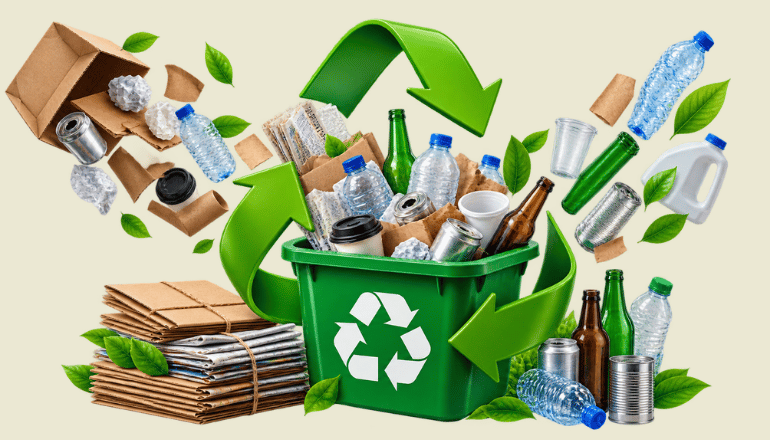
Businesses can improve recovery by keeping recyclable material separate from residual waste. The service route should reflect the actual material, quantity and site requirements.
Improving Recovery from Routine Business Waste
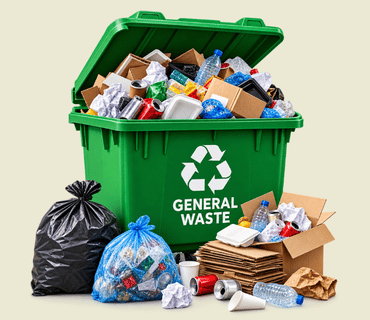
Non-hazardous waste can include recyclable and residual materials generated by offices, warehouses and industrial operations. R Planet can assess the waste mix and organize segregation, collection and suitable recovery or residual-management routes.
-
What is non-hazardous waste management?
It is the structured handling of waste that is not classified as hazardous, including segregation, collection, recycling and appropriate residual management for accepted material streams.
-
Can recyclable materials be separated from non-hazardous residual waste?
Yes. Separating paper, cardboard, plastics, metals and other recoverable materials from residual waste can improve recycling opportunities.
-
Is non-hazardous waste limited to office waste?
No. It can also arise from warehouses, commercial facilities, manufacturing operations and other business activities, depending on the materials generated.
-
How can a facility reduce non-hazardous waste sent for disposal?
Facilities can improve source segregation, reduce contamination, increase reuse and route suitable materials to recycling or recovery programs.
-
What should a business share before starting non-hazardous waste management?
Useful details include the waste types, approximate quantities, site locations, current storage method, collection frequency and any existing segregation practices.